Remembering Tommy
The Hope Tree – 2014
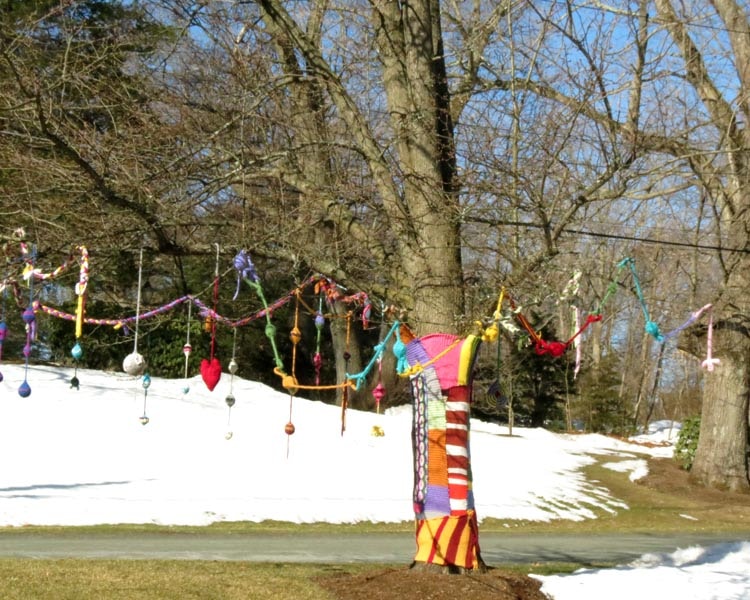
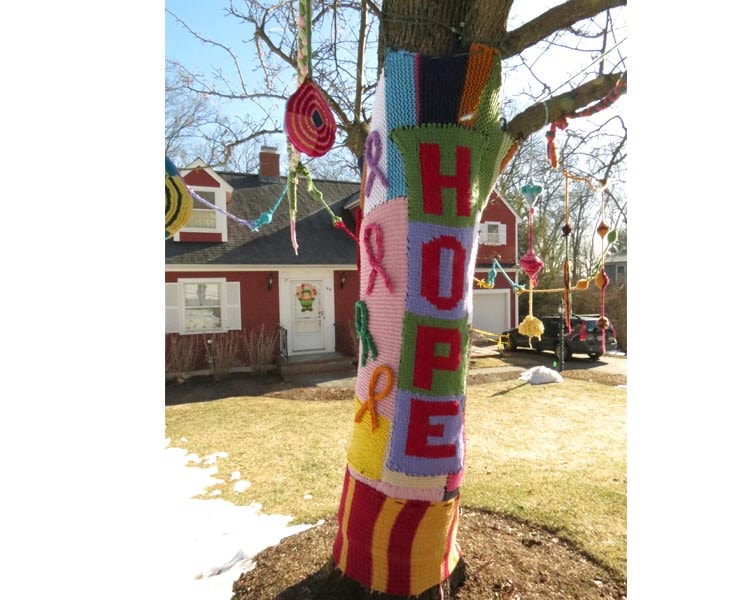
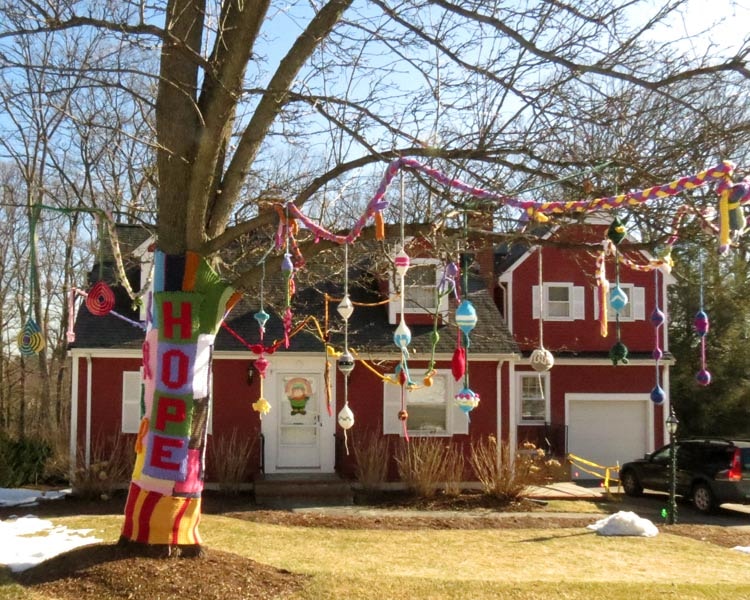
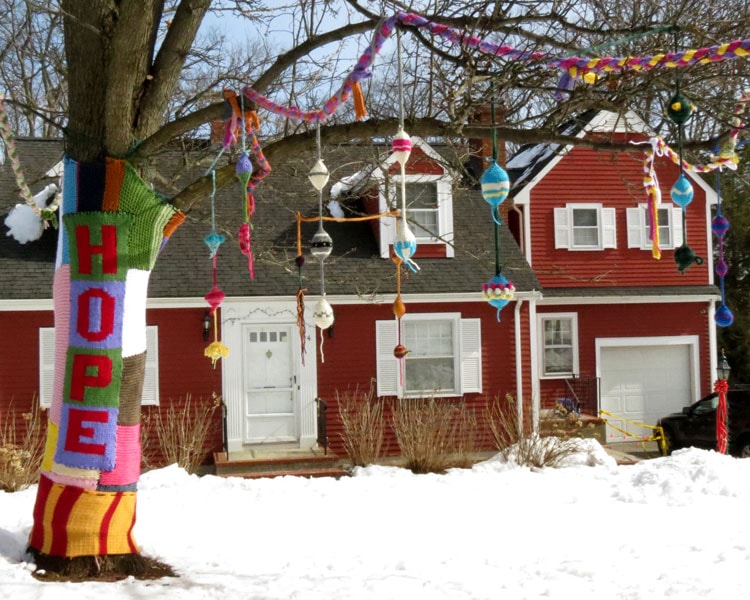
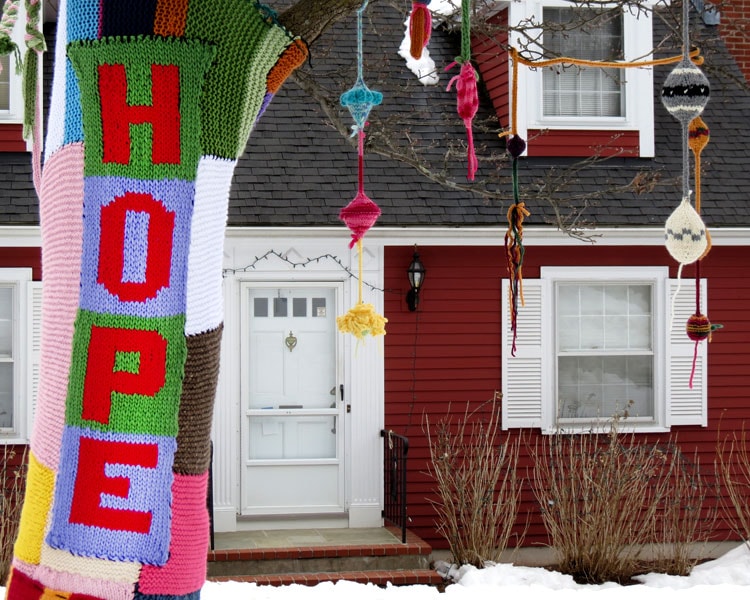
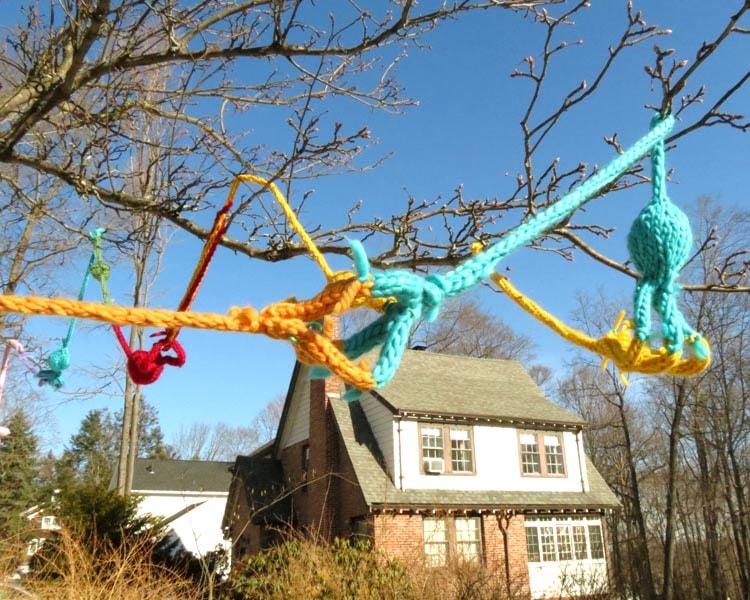
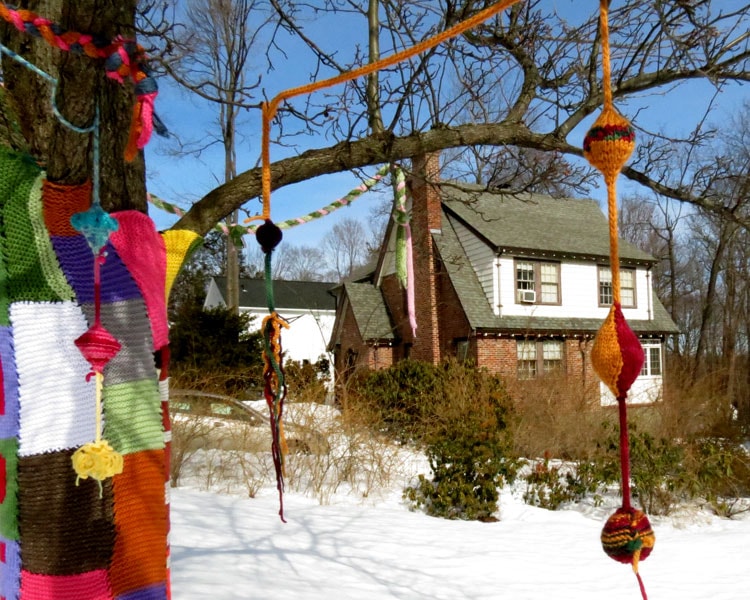
Every year since Tommy died, I have been knitting a Hope Tree. The tree is a large oak tree in front of our house. I started knitting the tree in 2010, the year after Tommy died. The tree has become a symbol of hope for our family and for the community.
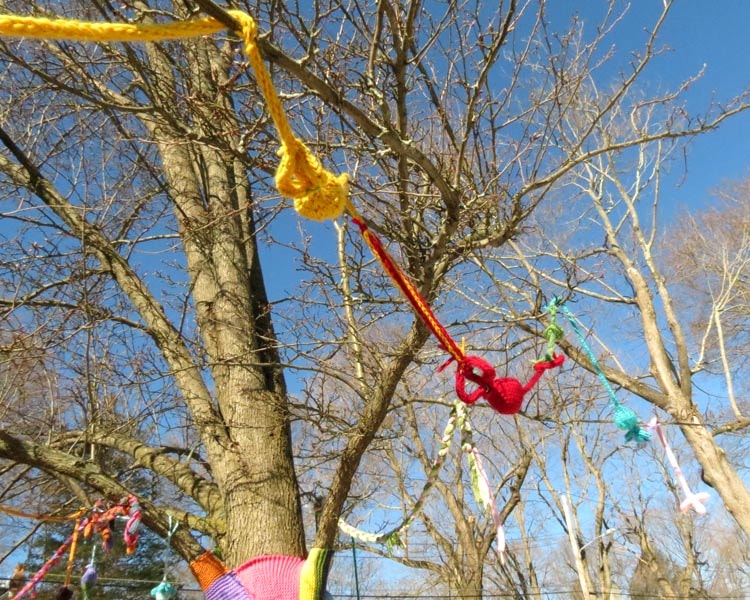
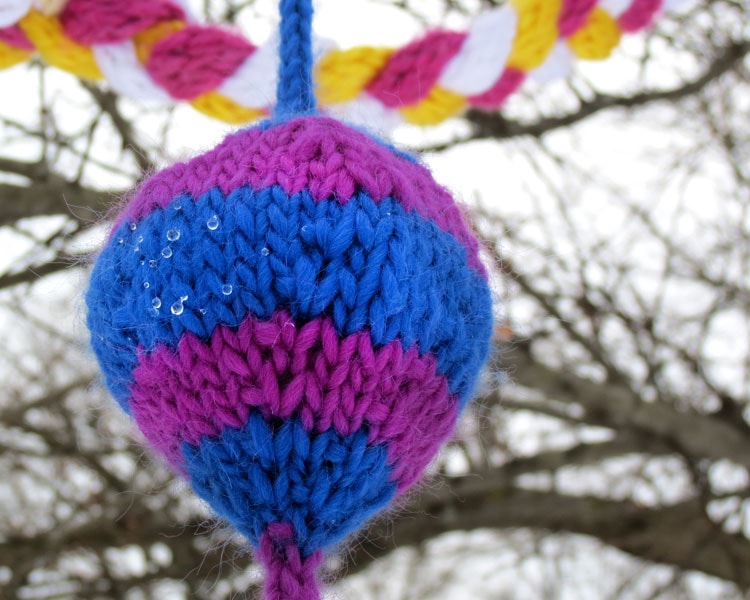
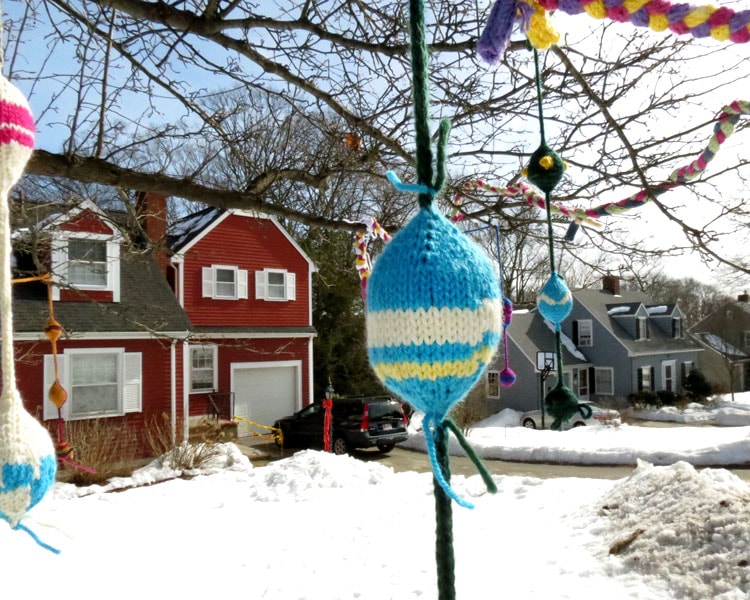
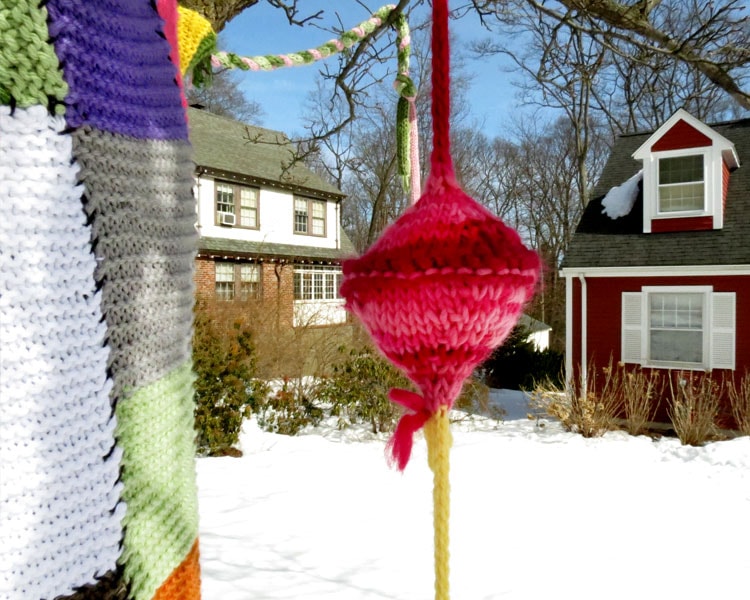
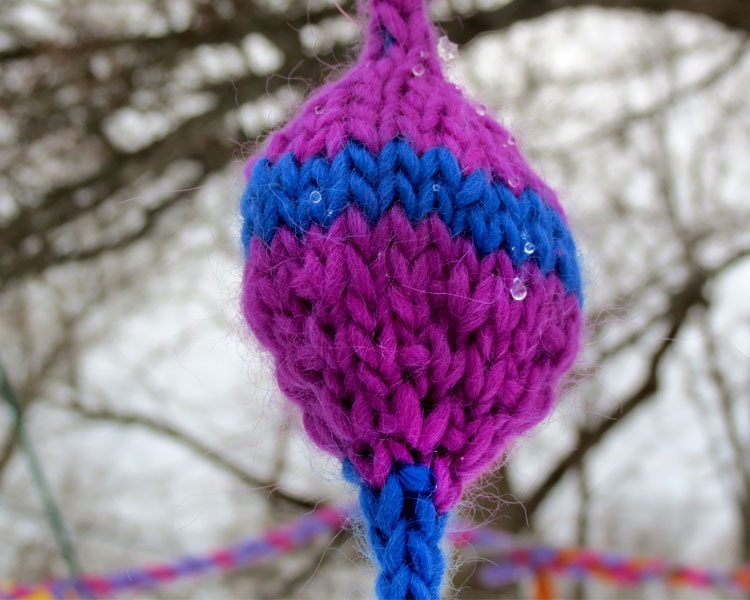
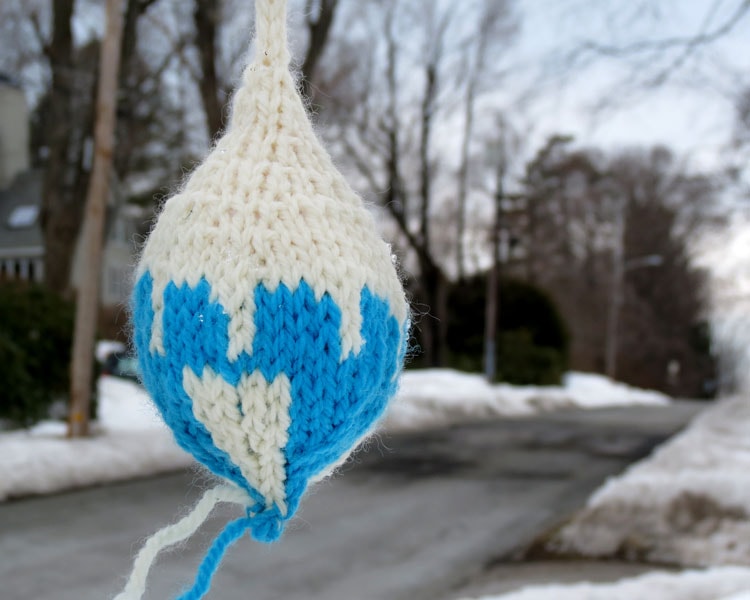
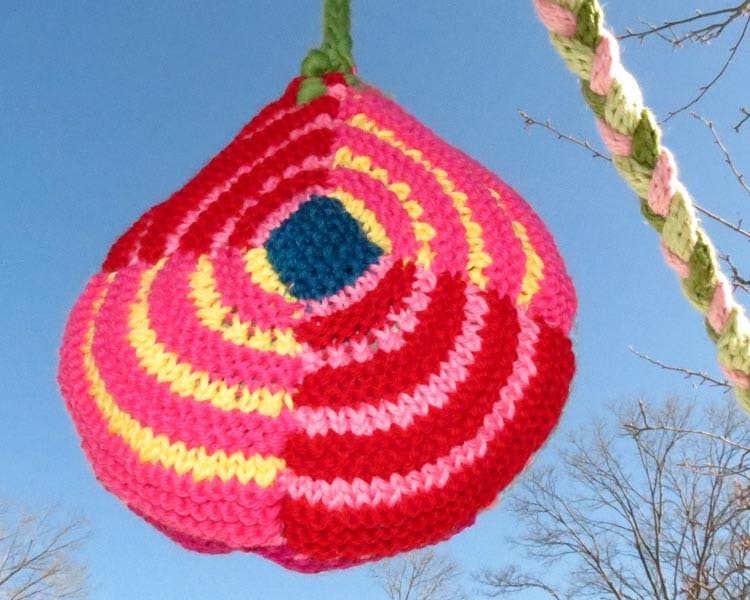
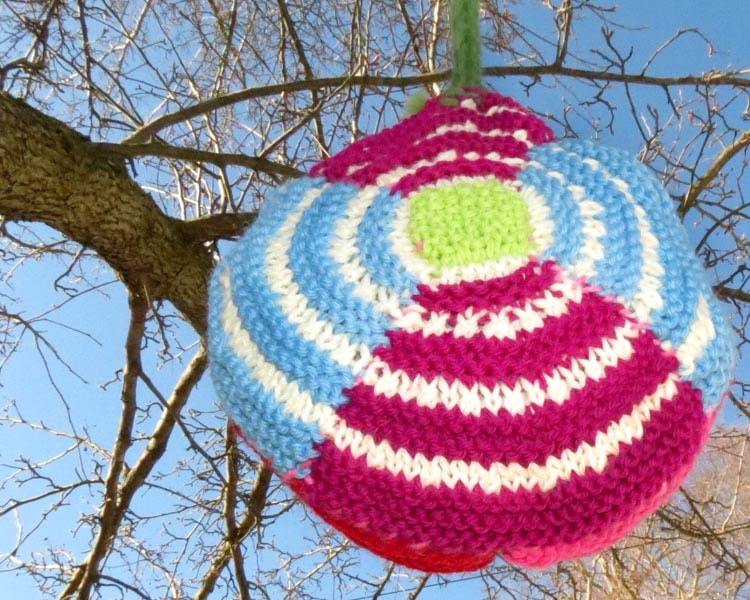
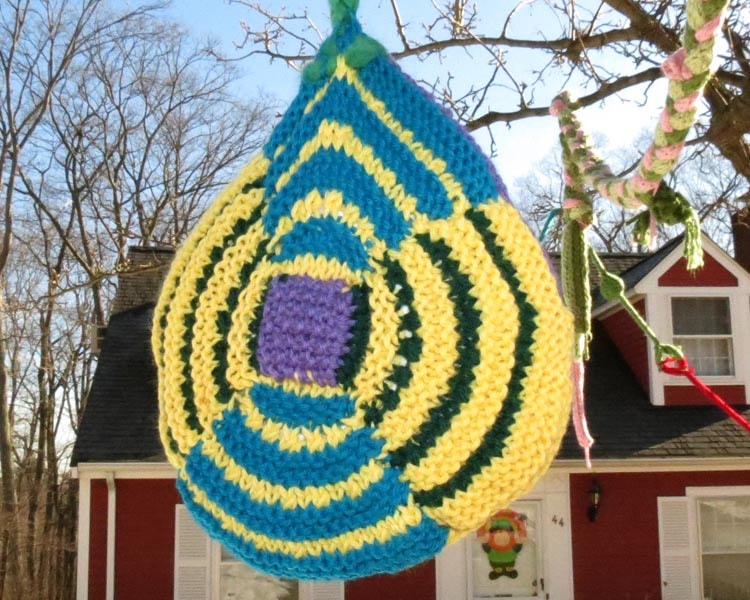
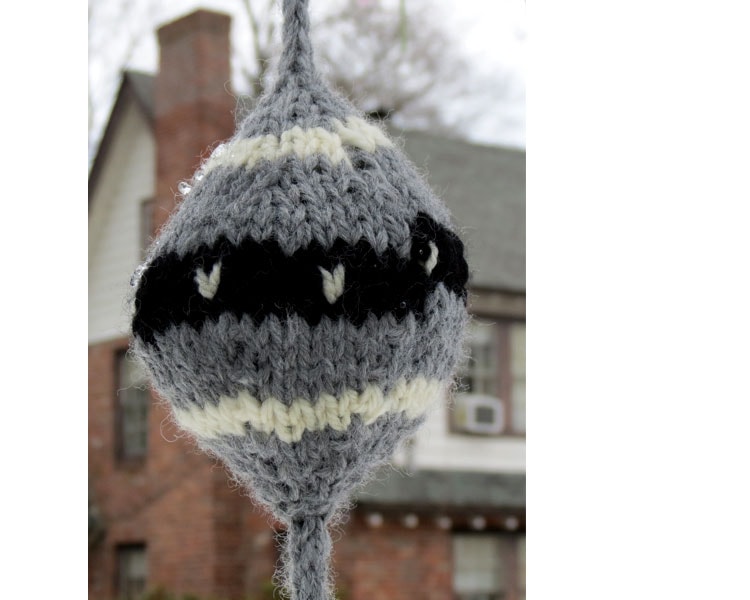
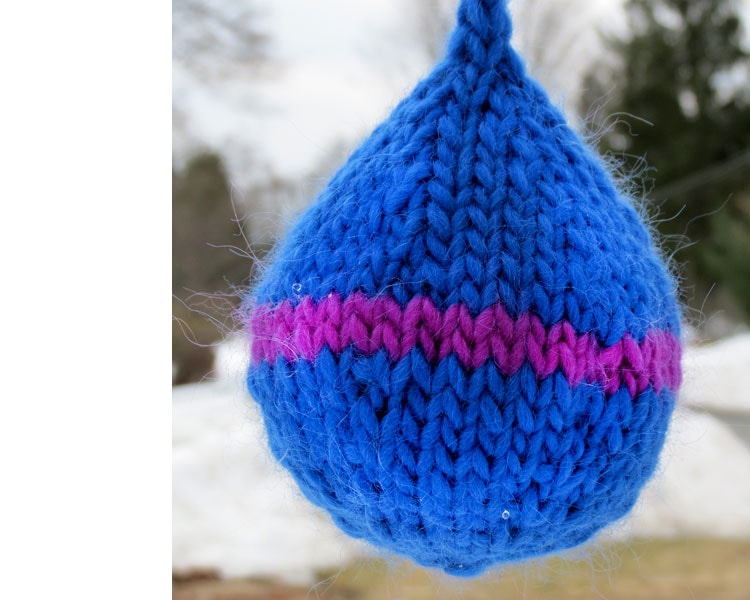
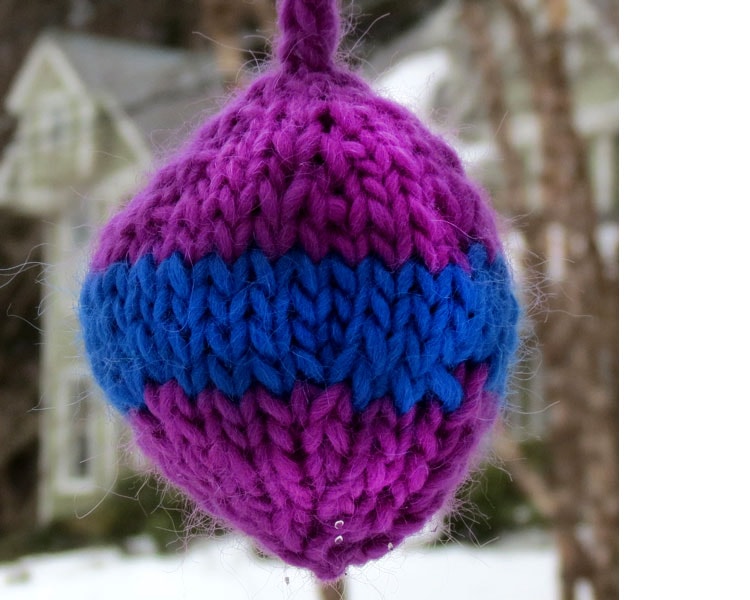
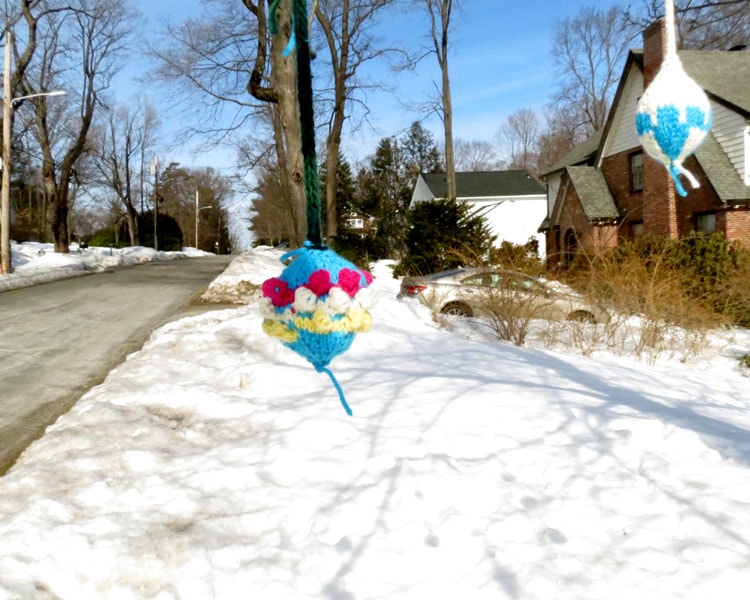
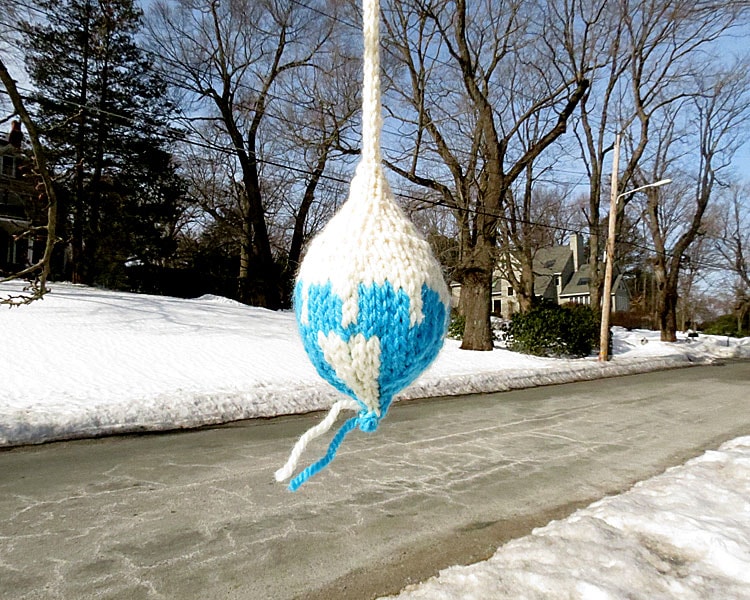
This year's tree was especially meaningful. We had 25 knitted balls on the tree, one for each year of Tommy's life. The balls represented the four seasons — spring, summer, fall, and winter — and the cycles of life that continue even in the face of loss.
Life goes on…
The seasons change.
The tree grows.
Life goes on.
And so do we.
The four seasons are represented on the tree. Spring brings new growth and hope. Summer is full of warmth and life. Fall reminds us of the beauty in change. Winter teaches us about rest and renewal.
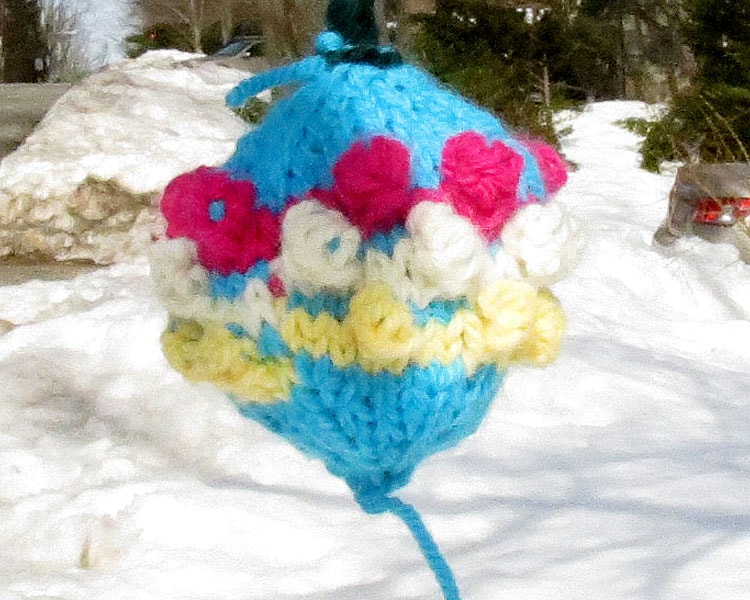
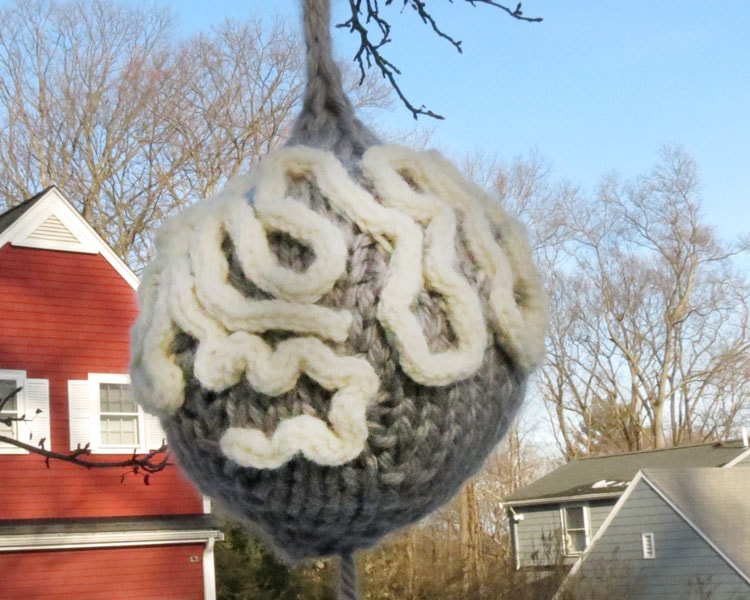
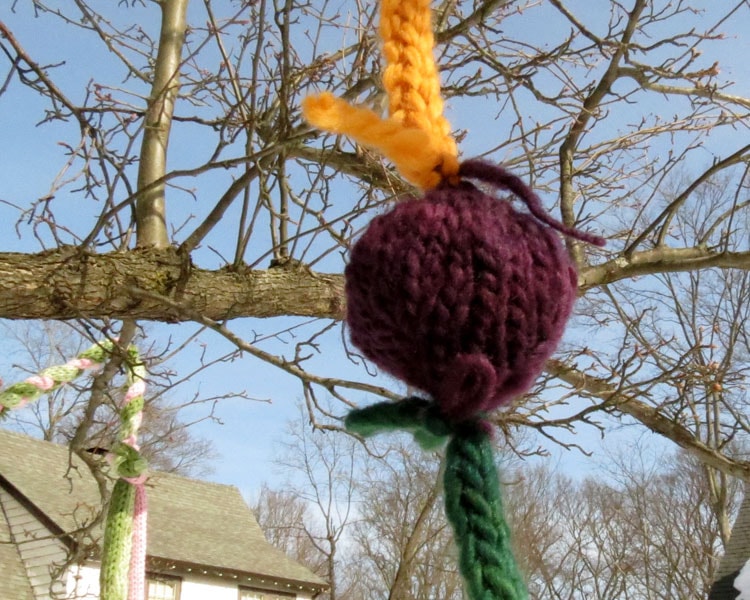
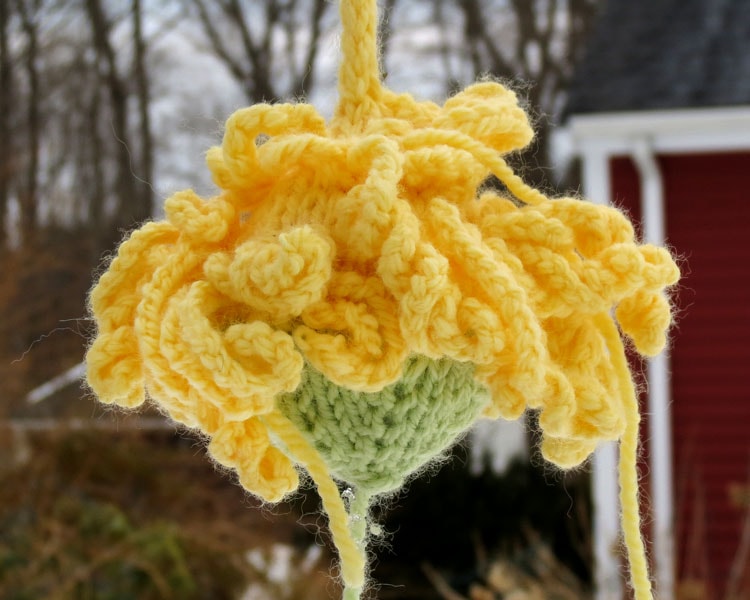
Each ball was carefully designed to represent one of the seasons. The colors, textures, and patterns were chosen to evoke the feeling of each season and the emotions that come with it.
One in five children will experience a mental health challenge before the age of 18. This is the fifth chain on the tree — a reminder that mental health affects our children, our families, and our communities.
Twenty-five balls hang from the branches — one for each year of Tommy's life. Each ball is a reminder of a year lived, a memory cherished, a life that mattered.
The brain ball represents the neuroscience of mental health. Mental illness is a brain disease, just like heart disease is a heart disease. We need to treat it with the same compassion and urgency.
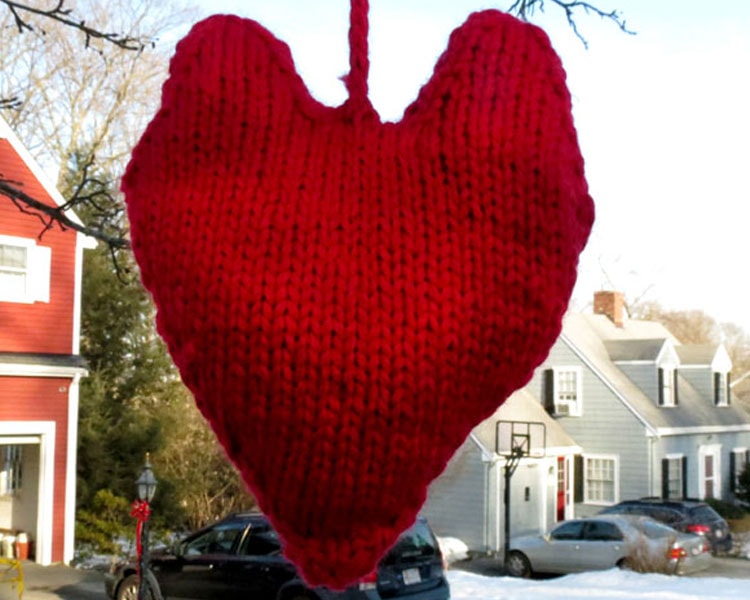
The heart represents love — the love that drives us to keep walking, keep advocating, and keep the memory of Tommy alive in everything we do.
The flowers represent new life and the hope that blooms even in the darkest seasons. They remind us that beauty can emerge from grief.
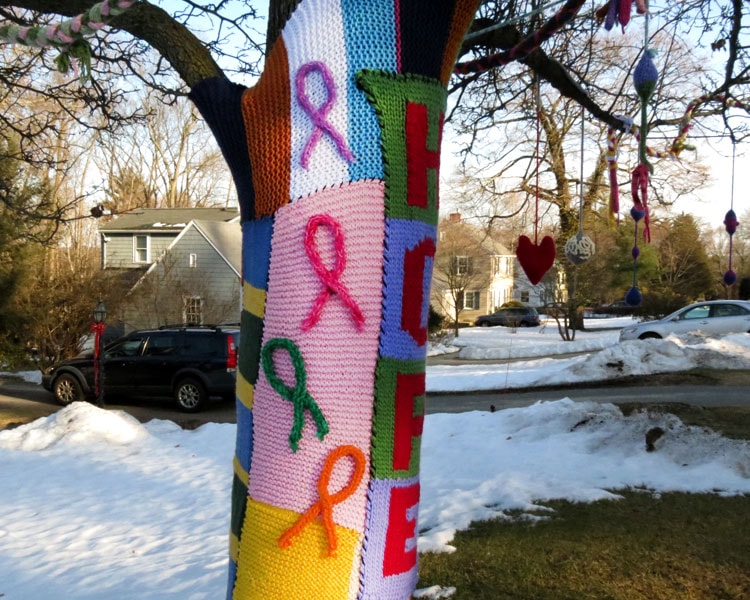
The healing ribbons on the trunk represent all those who are on a journey of healing — those who have lost someone, those who are struggling, and those who are walking alongside them.
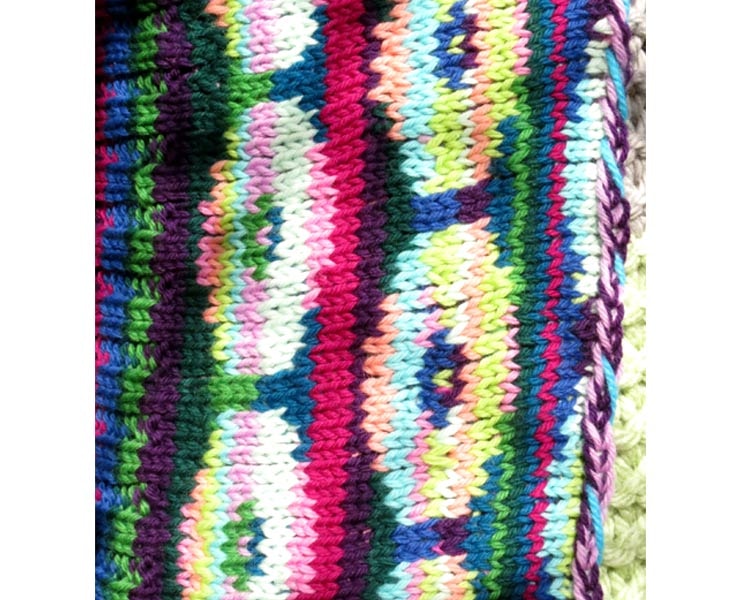
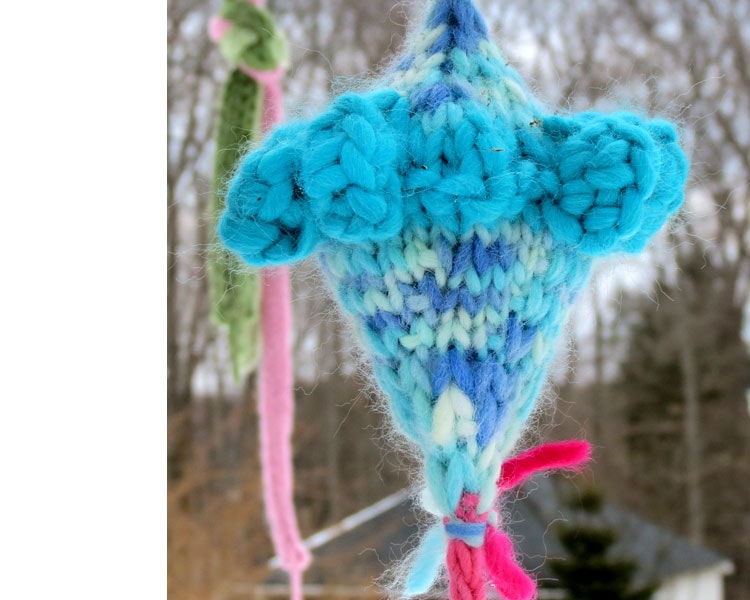
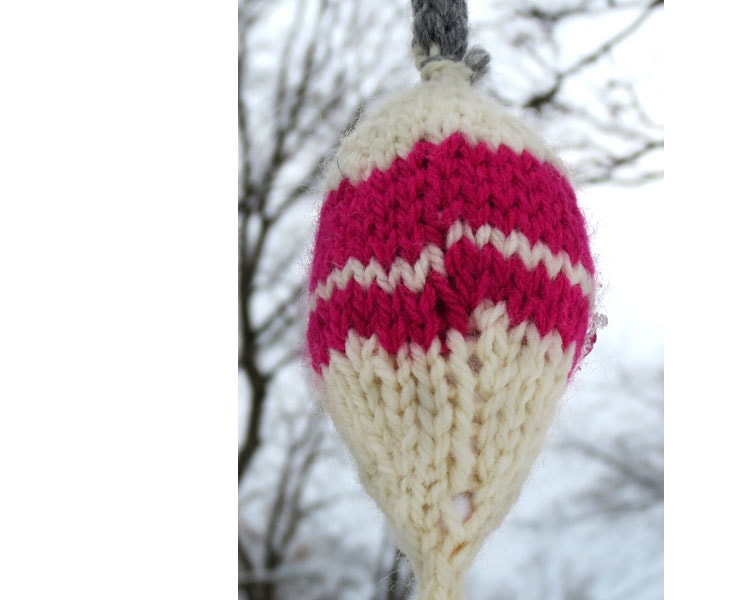
Life is a journey…
Knitting has been my meditation, my prayer, and my way of processing grief. Each stitch is a thought, a memory, a hope. The act of creating something beautiful out of simple yarn feels like a metaphor for what we try to do every day — take the raw material of loss and weave it into something meaningful.
The Hope Tree stands in our yard as a beacon for our neighborhood and our community. It says: we are here, we remember, we hope, and we will not be silent about mental health. Thank you for being part of this journey with us.